

A Federal Judge Just Voided Trump’s Deal With The IRS And Sanctioned His Lawyers
Judge Kathleen Williams ruled the president’s $10 billion lawsuit against the agency he controls was “never about” resolving a real dispute — it was a vehicle to hand himself audit immunity and steer

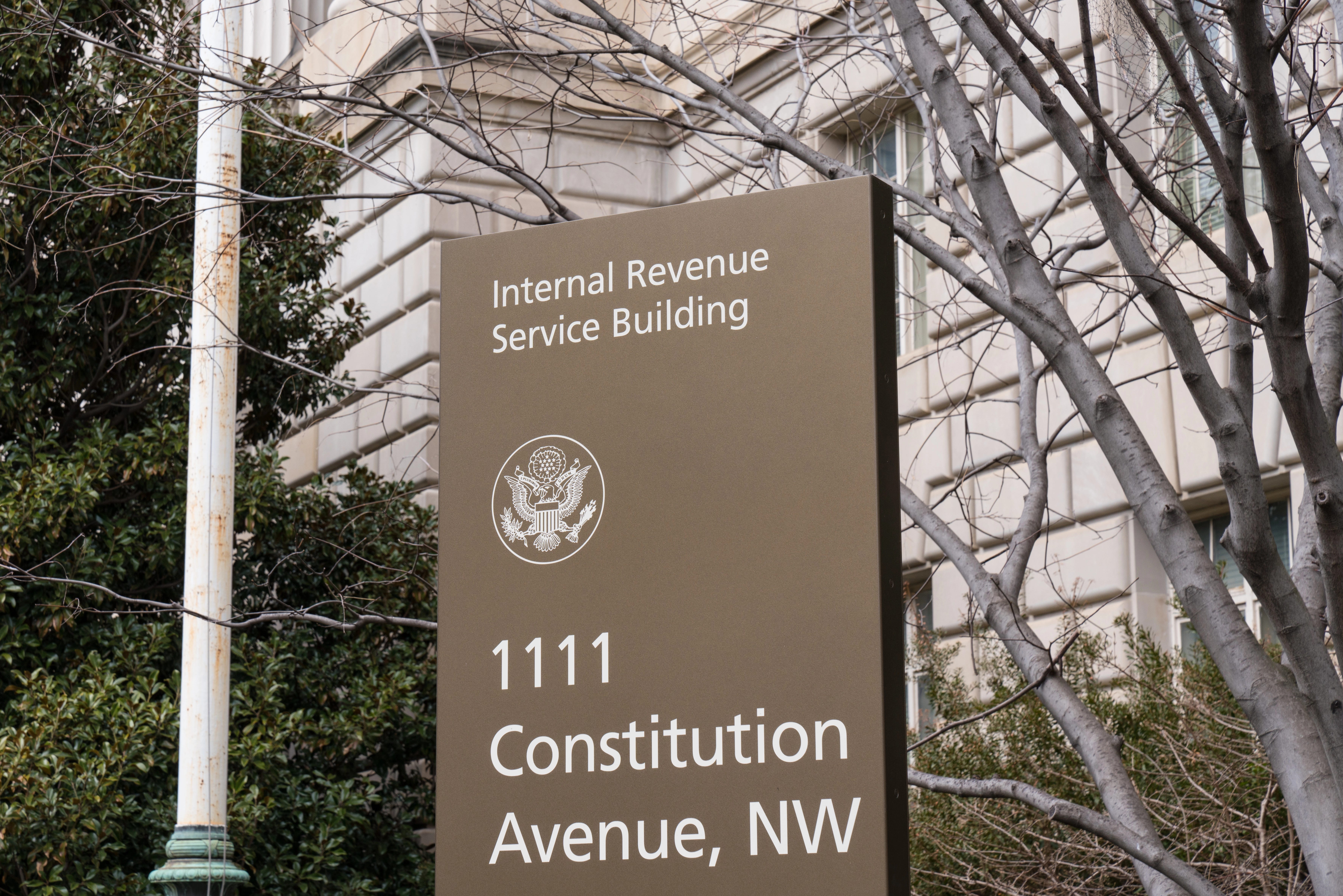
A federal judge on Monday voided the settlement President Donald Trump reached with his own Internal Revenue Service, dismantling the legal foundation beneath both his personal immunity from tax audits and the administration’s controversial $1.776 billion “anti-weaponization” fund.
In a scathing 56-page order, U.S. District Judge Kathleen Williams found that Trump’s $10 billion lawsuit against the IRS was “brought for an improper purpose—to gain the imprimatur of judicial legitimacy for a ‘settlement’ that had no viable basis in law or fact.”
“This action was never about a party seeking judicial resolution of a legal issue or a factual dispute,” Williams wrote. “The nature of the suit itself and the conduct of the Parties and counsel from its filing make plain that this was an attempt to use the Court to provide some legitimacy to an agreement to confer immunity to people and entities affiliated with the President and to earmark billions of dollars from American taxpayers to redress grievances not defined in the law.”
A Lawsuit Against Himself
Trump, two of his sons, and the Trump Organization filed the lawsuit in January 2026, accusing the IRS of failing to prevent the leak of his private tax information by former IRS contractor Charles Littlejohn.
Littlejohn was sentenced to five years in prison in January 2024 for the leak, which fueled a 2020 New York Times investigation revealing that Trump paid just $750 in federal income taxes the year he won the presidency in 2016 — and nothing at all in ten of the previous fifteen years.
But as Williams pointed out, Trump waited years to sue — until he was back in power and his own appointees sat on the other side of the negotiating table.
“President Trump did not pursue his claims until he once again occupied the White House and had appointed his former lawyer, and the former lawyer of persons who are putative beneficiaries of the ‘Anti-Weaponization Fund’ to prominent positions in the DOJ,” Williams wrote. “These officials then negotiated on behalf of the United States, with his current lawyers, including his former White House Counsel to reach a ‘settlement.’ It is risible to suggest that there was ever adverseness between the Parties.”
The resulting deal, announced in May, was extraordinary. In exchange for Trump dropping the lawsuit, the government agreed to create the $1.776 billion “anti-weaponization” fund to compensate people claiming they were unfairly targeted by the federal government.
And Acting Attorney General Todd Blanche, Trump’s former personal defense attorney, signed a memo to “forever bar and preclude” the government from taking any action related to Trump’s past tax returns, a shield that extended to his family and businesses.
Lawyers Sanctioned, Bar Referrals Issued
Williams didn’t stop at voiding the deal. She referred Trump attorney Alejandro Brito to the Florida bar for potential disciplinary action and restricted a second lawyer, Daniel Epstein, from joining cases in the Southern District of Florida. Her order also directs the clerk to alert the New York bar — where Blanche faces ongoing disciplinary proceedings — and the D.C. bar, where Associate Attorney General Stanley Woodward is admitted.
The ruling also bars everyone involved, including Trump and his sons, from citing the settlement or its terms in future legal proceedings. That opens the door for the IRS to resume audits of the president’s taxes.
The order came after more than 30 retired federal judges intervened in the case, asking Williams to investigate how a lawsuit in which the president effectively sat on both sides ever produced a binding settlement. Trump’s attorneys may be required to reimburse the intervenors’ legal fees as part of the sanctions.
The Fund That Wouldn’t Die
The “anti-weaponization” fund drew bipartisan alarm from the moment it was announced, with critics warning it could funnel taxpayer money to people prosecuted for the January 6th attack on the Capitol — including those convicted of assaulting police officers.
The administration’s commitment to killing it has been slippery at best. Blanche told a House Appropriations subcommittee on June 2 that the DOJ was “not moving forward” with the fund after a federal judge in Virginia temporarily blocked it. But Judge Leonie Brinkema extended her block on June 12, finding the administration’s claims of the fund’s demise insufficient and raising the possibility that it had been strategically shelved to escape litigation. The Justice Department then refused to file sworn declarations confirming the fund was dead, calling them “unnecessary.”
Trump himself has made no secret of his intentions. “I think the weaponization fund is a great idea, and so do many other Republicans,” he told NBC’s Kristen Welker in June, expressing hope that the department would revive it.
“A Sweetheart Deal”
Tax law experts say Monday’s ruling, while significant, doesn’t close the book. Brandon DeBot, policy director at the Tax Law Center at New York University, called the agreement a “sweetheart deal” that granted Trump “unauthorized and unprecedented” exemptions from tax audit rules, undermining “the tax system’s protections against political interference.”
“The court’s decision is important, but does not remove the need for congressional action to nullify the entire deal and to prevent any similar attempts at presidential self-dealing in the future,” DeBot said in a statement to the BBC.
Trump’s legal team, for its part, remains defiant. “The IRS wrongly allowed a rogue, politically-motivated employee to leak private and confidential information about President Trump, his family, and the Trump Organization to the New York Times, ProPublica and other left-wing news outlets, which was then illegally released to millions of people,” a spokesperson said, adding that Trump “continues to hold those who wrong America and Americans accountable.”
Trump can still appeal Williams’ order. But for now, a federal judge has put on the record what critics have said since May: the president sued himself, settled with himself, and tried to bill the American taxpayer for the privilege.
Democratic Reporter is funded by readers like you — no corporate owners, no billionaires. If you value independent political journalism, subscribe and share this piece.