

Trump Emptied America’s Missile Arsenal, Then Raged At Hegseth For Not Warning Him
The president ordered five months of strikes on Iran which drained the American weapons stockpile, then demanded to know who let it happen.

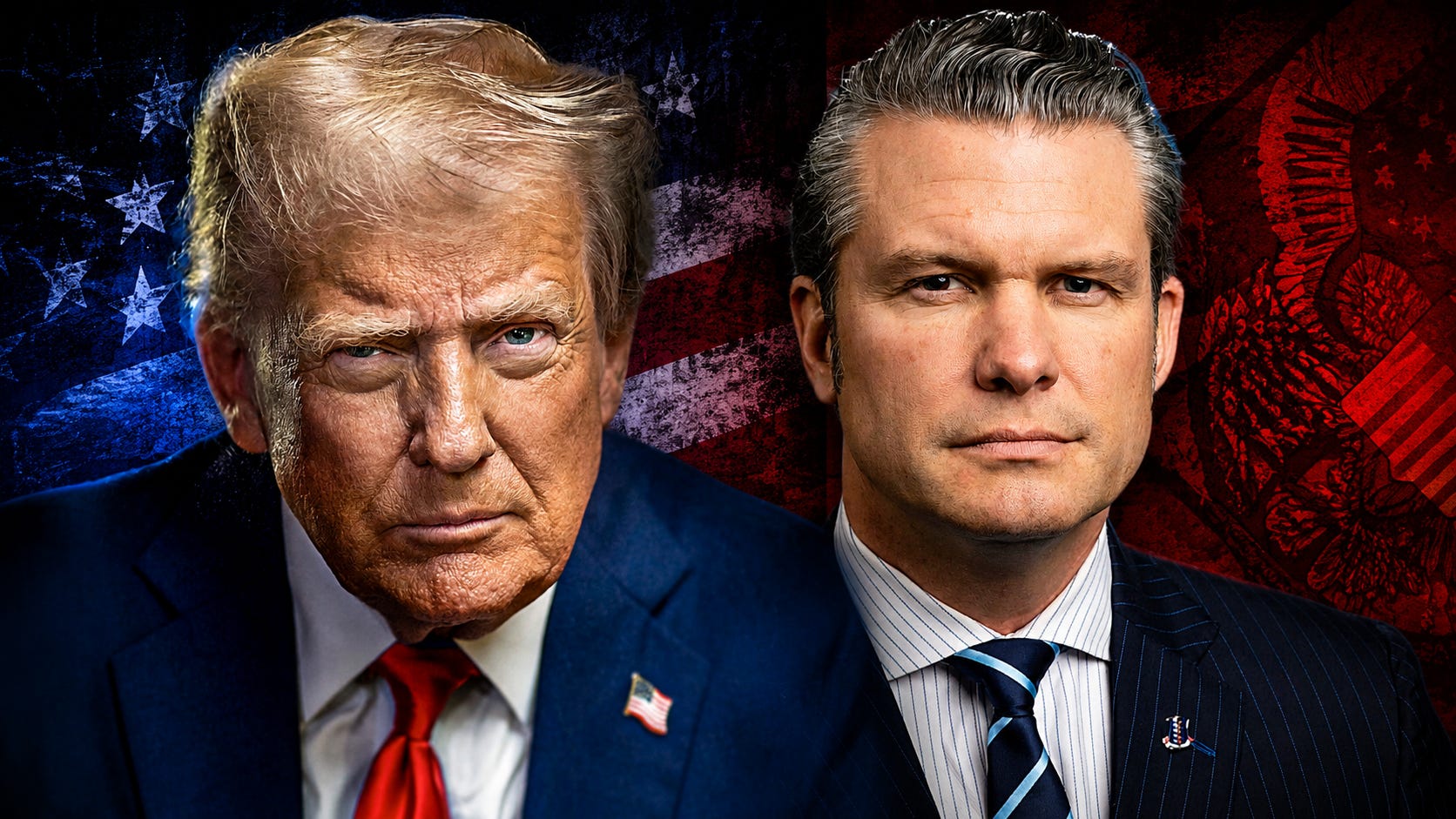
Donald Trump confronted his defense secretary at Camp David last Friday and demanded to know why nobody had told him the United States was running out of missiles. Two people familiar with the exchange described a commander in chief who believed the munitions shortage had already been solved and felt he had been misled by his own advisers.
The shortage is real; it is documented in the Army’s own internal data, and it exists because Trump spent six months ordering strikes without tracking what they cost the military he commands. Pete Hegseth reportedly deflected by pointing at his deputy, Stephen Feinberg. The White House now says the entire episode was invented.
The arsenal is genuinely running dry
The Army has expended virtually its entire inventory of ATACMS and Precision Strike Missiles during the war, according to people with access to internal stockpile data, along with a little less than half of the global supply of Tomahawk cruise missiles.
Analysts at the Center for Strategic and International Studies estimated that about 65% of Patriot interceptors were burned through between February and July. THAAD interceptor stocks were at least 38% below their level when the fighting started.
These weapons cost more than $1 million apiece and take years to build. They are also what the Pentagon would need if a genuine crisis broke out with China or Russia, which is why people inside the building have been sounding alarms for weeks.
Every one of those missiles was fired on his order
Trump launched Operation Epic Fury on February 28 without seeking a declaration of war or an authorization for the use of military force from Congress. He told the country it would be swift, and then he kept going.
In the first month alone, the military fired more than 850 Tomahawks and over 1,000 Patriot and THAAD interceptors along with more than 1,300 Army tactical ballistic missiles. Six months later, the arsenal is depleted, and the war is unresolved.
The story his officials are shopping is that Hegseth failed him. What the story actually describes is a president who never bothered to ask.
The accounting was already public
Hegseth spent a July Senate hearing refusing to discuss what advice he had given Trump while pinning every shortage on the Biden administration.
In that same appearance, he put the price of the war at $37.5 billion and asked lawmakers for an $87.6 billion supplemental package, with $67.1 billion of it going to the Pentagon. Senate Republicans still have not acted on it.
Whatever was said behind closed doors, the man who authorized every strike had a full accounting sitting in a committee transcript he could have read.
The denials avoid the one thing that matters
Trump called the coverage of the Camp David confrontation “treasonous” on Truth Social, insisted the country has massive amounts of munitions, and said the leakers were being hunted down.
Press secretary Karoline Leavitt declared the story completely fabricated and said she was present. Pentagon spokesman Sean Parnell said Hegseth never misled anyone and never blamed Feinberg.
Not one of them denied that the stockpiles are low. They cannot, because CBS News independently confirmed the depletion with its own sources.
A pattern that goes well beyond Iran
The Atlantic reported that Trump’s associates connect his furious reaction to the Lincoln Memorial Reflecting Pool disaster to the humiliation he feels over the war.
He promised a $1.9 million cleanup, spent closer to $16 million, watched the water turn green and the paint peel off in sheets, and then blamed vandals. When his own U.S. attorney in Washington, Jeanine Pirro, concluded the damage came from the botched renovation rather than sabotage, she got a tongue-lashing for it.
A president who cannot take responsibility for a pond is not going to take responsibility for a war.
Republicans are starting to say it out loud
Thom Tillis says Hegseth has lost his confidence, and months earlier he was already warning that the defense secretary made impulsive decisions not grounded in reality and needed to stop surrounding himself with yes-men.
Susan Collins called the forced departures of senior military officials deeply troubling. Shelley Moore Capito and Joni Ernst have both signaled that patience with an unresolved war is wearing thin.
The public moved faster. A Marquette Law School poll conducted July 22 through 29 put Hegseth at 23% favorable against 45% unfavorable, a net rating of minus 22 that ties him with Trump for the worst in the administration. Republican enthusiasm about voting in November has slid to 30% from 36% in May, while Democrats now lead on certainty to vote by 70% to 65%.
What this actually costs
Trump started a war he was not prepared to finish, spent down weapons that protect American troops and deter American adversaries, and refused to let Congress vote on any of it.
Now he is demanding that the country treat a shortage documented by the Army’s own data as a hoax invented by reporters. The stockpile does not care what he posts, and neither do the adversaries watching how quickly the United States can be drained.
This administration is asking you to distrust the evidence and trust the man who created the problem. Democratic Reporter will keep documenting what this White House does and what it costs, and the most useful thing you can do is make sure the people around you see it too. Share this with someone who still believes the war is going well.
Democratic Reporter is a grassroots organization that is supported by our users. We believe media needs to be free of billionaire investors and anyone else who is simply looking to buy messaging for their own causes. If you agree, subscribe to our publication, even a free subscription allows us to keep spreading important progressive messaging to the masses!