

Trump Spent Months Saying Hormuz Tolls Were Illegal. Now He’s Charging One.
After his own Secretary of State declared “there isn’t a nation on Earth” that supports paying to transit the strait, the president announced a 20% U.S. toll — and oil prices surged nearly 8% in a day

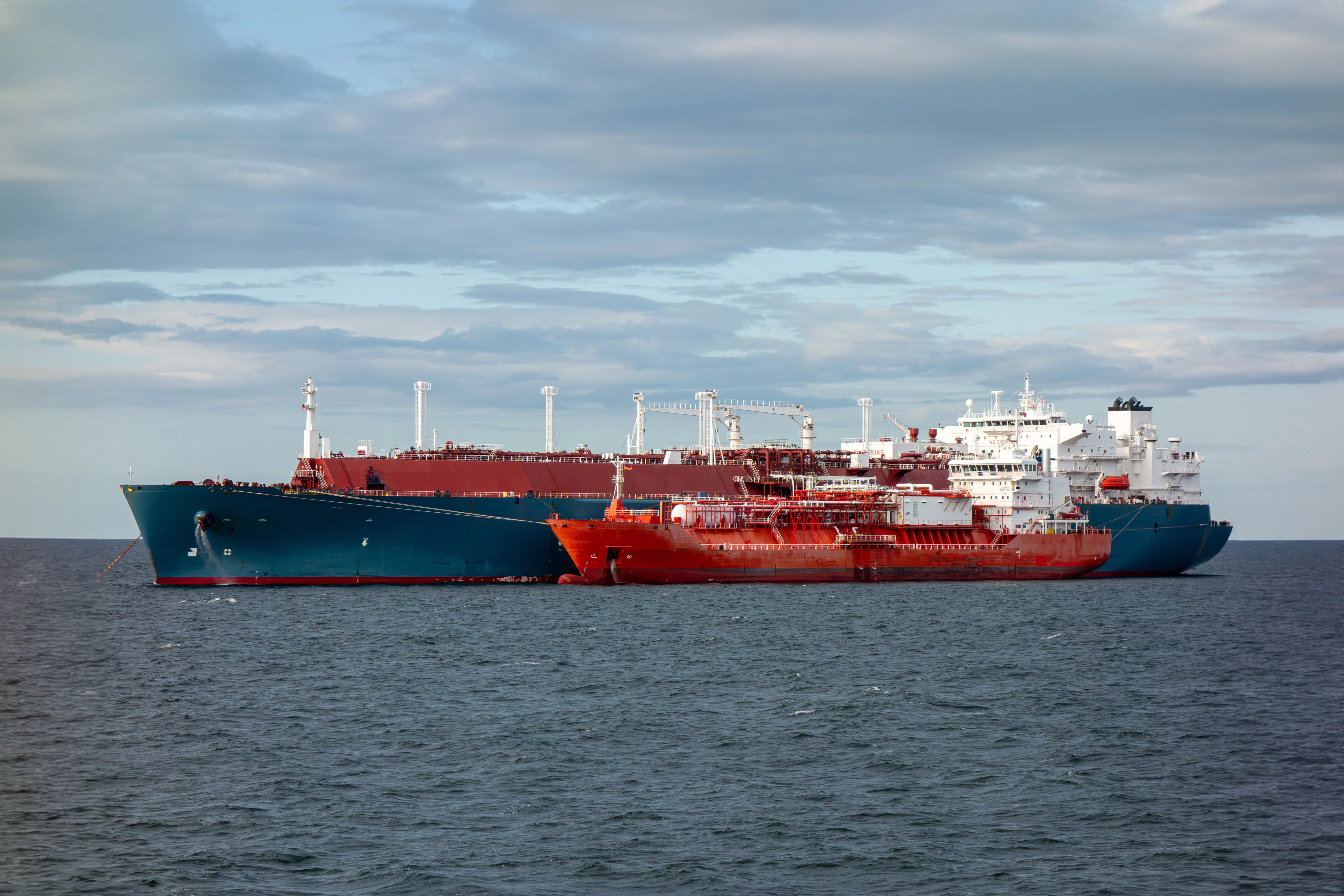
President Donald Trump announced Monday that the United States is reinstating its blockade of Iranian shipping in the Strait of Hormuz — and, in a sharp reversal of stated U.S. policy, will charge every other nation’s ships for the privilege of safe passage.
“We are reinstating the THE IRANIAN BLOCKADE,” Trump wrote on Truth Social, adding that all other countries would have “fair and open use of the Strait.” The catch: the U.S. will be “reimbursed” at a rate of 20% on all cargo shipped through the waterway, with Trump declaring America “THE GUARDIAN OF THE HORMUZ STRAIT.” The U.S. military said the blockade of Iranian ports resumes Tuesday at 4 p.m. EDT.
A complete reversal in under three weeks
The announcement directly contradicts the position the administration held as recently as late June. Meeting with Gulf leaders in Bahrain on June 25, Secretary of State Marco Rubio insisted that “there isn’t a nation on Earth that supports having to pay money to go through the straits,” and said there was “zero support among the Gulf countries” for any toll on international waters. Rubio told reporters the president had made clear it wasn’t going to happen.
It happened.
The reversal was so stark that Iran’s own foreign minister publicly thanked Trump for making Tehran’s argument. “POTUS is absolutely right,” Abbas Araghchi wrote on X, mocking that Iran “has always been the GUARDIAN of the Strait” and quipping that “20% is of course too much. We will be fair.”

The International Maritime Organization, the UN agency overseeing global shipping, rejected the move outright, stating there is “no legal basis” for mandatory transit tolls in an international strait. James Kraska, a maritime law expert at the U.S. Naval War College, told CNBC that tolls to transit Hormuz violate international law.
What it means for prices at home
Markets reacted immediately. Brent crude jumped 7.8% to $81.92 a barrel on Monday, and stock indexes fell on the news.
The stakes are hard to overstate. Before Iran effectively closed the strait at the start of the war in late February, a fifth of the world’s oil and gas passed through Hormuz. When it shut down, global prices of energy, fertilizer, and consumer goods spiked, with oil briefly approaching $120 a barrel.
Traffic had only partially recovered after last month’s interim peace deal — and a 20% surcharge on cargo value, layered on top of renewed fighting, threatens to push shipping, fuel, and grocery costs higher for American families already squeezed by rising prices.
This is the same president who campaigned on lowering costs from day one. Instead, Americans are now watching energy markets absorb both a shooting war and a self-imposed tax on the world’s most important oil chokepoint.
A peace deal in freefall
The toll announcement came amid the heaviest exchange of fire since April’s ceasefire. The U.S. military said it struck dozens of Iranian sites Monday — air defenses, radar, missile and drone equipment, and small boats — after Iran attacked a container ship a day earlier.
Missile sirens sounded three times in Bahrain, home to the Navy’s 5th Fleet. Jordan shot down four Iranian missiles. Kuwait condemned attacks on its border posts and an offshore oil platform. Iranian state media reported at least two people killed in strikes across multiple provinces.
Trump declared last week that the interim deal was “over,” even as mediators including Pakistan, Qatar, and Egypt scramble to salvage negotiations. The two sides are nearly halfway through a 60-day window meant to produce a permanent agreement ending the war and resolving Iran’s nuclear program.
Iran, meanwhile, says it won’t allow international inspectors to visit the bombed nuclear sites where its enriched uranium stockpile is believed to be entombed.
The June deal explicitly prohibited tolls on commercial shipping. Now both sides are demanding them — and the only guaranteed losers are the consumers, in America and around the world, who will pay the bill.
Democratic Reporter is funded by readers like you — no corporate owners, no billionaires. If you value independent political journalism, subscribe and share this piece.